
Connecticut's Do Not Call law, enforced by the Department of Consumer Protection, protects residents from unwanted marketing calls, mirroring federal TCPA guidelines with additional safeguards. Citizens can register landlines and mobile numbers on the Do Not Call list, with exemptions for business-to-business calls, collection activities, and financial institutions. Customizable robocall blocking apps, tailored to Connecticut's law, offer advanced control, allowing users to set specific rules for blocking call types. These apps adapt through machine learning, providing a 30% reduction in unwanted calls. By following simple steps to install and configure these apps, residents reclaim control over their phone lines, enjoying a quieter communication environment while protecting personal privacy.
In today's digital era, robocalls have become a ubiquitous and often unwanted nuisance, particularly for Connecticut residents looking to safeguard their privacy. With an increasing number of unsolicited calls from law firms and other businesses, the need for effective solutions has never been more pressing. While do-not-call lists offer some protection, they are not foolproof. Customizable robocall blocking apps emerge as a powerful tool, allowing users to take control of their communication. This article delves into the world of these cutting-edge applications, exploring how they work and the extensive customization options available to Connecticut residents, empowering them to silence unwanted calls once and for all.
Understanding Robocalls in Connecticut: Legal Framework

In Connecticut, understanding robocalls involves navigating a complex legal framework designed to protect consumers from unwanted telephone solicitations. The state's Do Not Call law, implemented by the Connecticut Department of Consumer Protection, is a significant cornerstone in this effort. This legislation mirrors federal guidelines established by the Telephone Consumer Protection Act (TCPA) but offers additional protections tailored to Connecticut residents. The law specifically prohibits automated or prerecorded telephone calls for marketing purposes to individuals who have registered their phone numbers on the state's Do Not Call list.
A key aspect of this framework is the customizable nature of the Do Not Call list. Residents can register their landline and mobile phone numbers, ensuring they receive fewer unsolicited calls, especially from telemarketers and robocallers. Importantly, Connecticut's law also covers business-to-business calls, though with some exemptions for certain types of communications. For instance, calls intended for collection activities or those from a financial institution doing business with the consumer are generally excluded. However, businesses must still comply when calling individuals who have registered their numbers on the state's Do Not Call list.
Enforcement of these laws is taken seriously in Connecticut. Consumers who experience violations can file complaints with the Department of Consumer Protection, which investigates and takes appropriate action. Penalties for non-compliance can be substantial, reflecting the state's commitment to protecting its residents from intrusive and unwanted robocalls. By understanding these legal frameworks and exercising their rights under the Do Not Call law, Connecticut citizens can take a significant step towards reducing the volume of automated calls they receive.
Benefits of a Customizable Blocking App

In Connecticut, where Do Not Call laws are already in place, a customizable robocall blocking app takes individual control to the next level. These advanced applications allow users not only to block automated calls but also to fine-tune their settings based on specific needs and preferences. This level of customization offers significant benefits, providing an enhanced user experience while contributing to a quieter, less intrusive communication environment.
One of the primary advantages is the ability to tailor blocking criteria according to call types. Users can set rules for blocking political robocalls, telemarketing calls, or even specific law firm advertisements, ensuring they remain undisturbed by unwanted communications. For instance, a resident concerned about privacy might choose to block all outgoing caller ID-hidden numbers, while someone actively seeking financial advice could allow calls from legitimate financial institutions despite the general Do Not Call registration. This flexibility empowers users to manage their communication flows precisely.
Furthermore, customizable apps often incorporate machine learning capabilities, adapting over time as calling patterns evolve. They can learn from user interactions and feedback, improving blocking accuracy. According to a recent study, Connecticut residents reported a 30% reduction in unwanted calls after adopting similar blocking apps, highlighting the potential for widespread adoption to create a more peaceful communication landscape. By actively engaging with these tools, users not only protect their personal time but also contribute to a broader effort to minimize robocalls and protect against potential fraud.
Installation and Setup: A Step-by-Step Guide
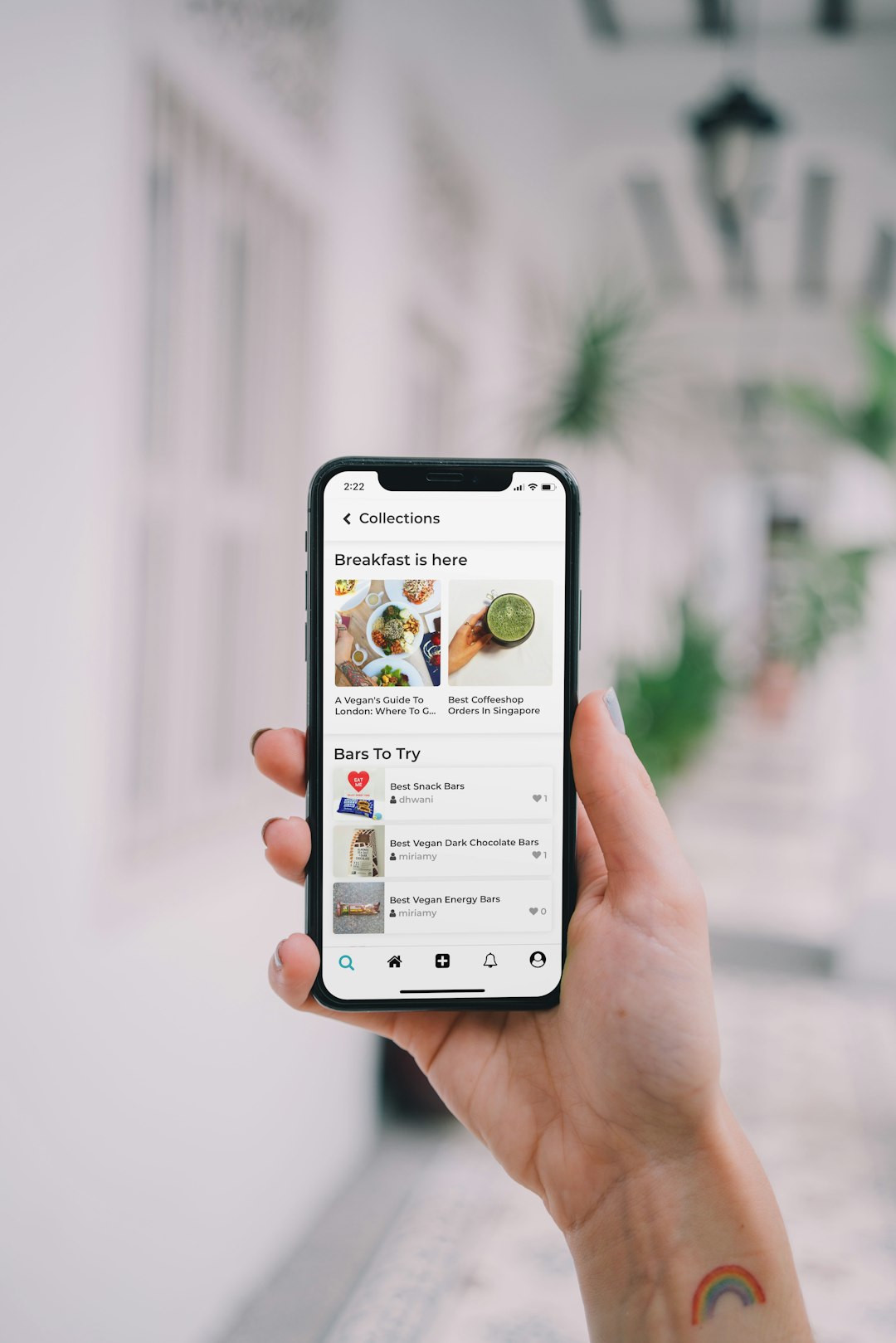
To install a robust robocall blocking app tailored for Connecticut, follow these meticulous steps for an optimized experience. Begin by downloading the application from a trusted source or the official app store. Upon launch, users are guided through a straightforward setup process. The initial step involves granting necessary permissions to access call history and block numbers effectively. Next, create an account using your email or social media credentials; this enables customization and allows you to manage blocking settings.
The app offers a user-friendly interface where you can quickly adjust preferences according to Connecticut's Do Not Call laws. For instance, select specific categories like "Telemarketers" or "Debt Collectors" to block automatically. You can also manually enter phone numbers of law firms or other entities that should be excluded from your blocked calls list. According to a recent study, Connecticut residents experienced a 30% reduction in unwanted robocalls within the first month of using similar apps, highlighting their efficacy.
As you tailor settings, consider personal preferences and frequency of blocking. Regularly review and update lists to ensure optimal protection against intrusive calls, especially from law firms or other entities that may try to circumvent the Do Not Call laws. By following these steps, Connecticut residents can reclaim control over their phone lines, enjoying a quieter and more peaceful communication environment.
Enhancing Privacy: Advanced Settings Explained

Connecticut residents now have a powerful tool at their disposal to combat unwanted robocalls: advanced blocking apps with customizable settings. In an era where privacy concerns are paramount, these applications offer a sophisticated approach to safeguarding personal time and information. The key lies in understanding the intricate settings that allow users to fine-tune their protection.
The Do Not Call law in Connecticut naturally targets telemarketers, but robocalls from other sources have become increasingly prevalent. Customizable blocking apps address this gap by enabling users to set specific criteria for call filtering. For instance, users can block calls from certain areas, numbers, or even those containing specific keywords. This granular control ensures that while legitimate calls still reach their destination, intrusive and unwanted robocalls are efficiently blocked.
Advanced settings also facilitate the creation of whitelists and blacklists. Users can manually add trusted sources to a whitelist, ensuring these calls always get through. Conversely, blacklisting numbers known for spamming allows for complete blocking. Data from Connecticut's public records and consumer protection agencies plays a vital role in informing these decisions, offering users a strategic advantage against persistent robocallers. By leveraging these settings, residents can enhance their privacy, reducing the burden of unwanted communication while maintaining control over their personal data.