Connecticut residents face persistent robocalls despite laws prohibiting them. Legal protections and advanced call blocking technologies offer solutions. Top-rated mobile apps like TrueCall, Hiya, NoCall, and CallBlocker Pro provide effective blocking with AI and machine learning. Selecting an app requires considering ease of use, compatibility, false positives, updates, and customer support. Consulting a robocall Attorney Connecticut ensures legal compliance and optimal blocking strategies. By 2025, robust apps compliant with TCPA regulations will be available, offering enhanced protection through AI differentiation. Regular app updates, whitelisting, and consultation with a robocall Attorney Connecticut maximize control over phone lines and minimize unwanted calls.
In the digital age, Connecticut residents, like many others across the nation, face a growing nuisance from unwanted robocalls. These automated calls, often from telemarketers or scam artists, can be relentless and invasive. With each ring, frustration mounts, disrupting daily life and posing potential risks to personal security. As the landscape of telecommunications evolves, so do the tactics of these callers. Thus, it's crucial for Connecticut residents to arm themselves with a robust solution: an effective robocall blocker app. This article serves as your comprehensive guide, reviewing the best options available in 2025, with a keen eye for ensuring the highest level of protection, backed by expert insights and recommendations from leading robocall attorneys across Connecticut.
Understanding Robocalls in Connecticut: Laws and Regulations

In Connecticut, robocalls remain a persistent nuisance for residents despite stringent laws aimed at curbing their prevalence. The Connecticut General Statutes (CGS) § 36-247a et seq. outlines robust regulations to protect consumers from unsolicited telephone solicitations, including robocalls. These laws empower residents with the right to block and report such calls, emphasizing the state's commitment to maintaining a peaceful and undisturbed communication environment.
Connecticut residents have several legal avenues to combat robocallers. For instance, CGS § 36-247a(b) allows individuals to register their telephone numbers on the Connecticut No Call Register. This simple yet powerful step significantly reduces the number of robocalls received. Furthermore, a robocall Attorney Connecticut can provide guidance on pursuing legal action against persistent or unlawful robocallers. The state's strict regulations make it clear that violators face substantial fines and penalties for ignoring consumer rights.
Despite these measures, sophisticated call blocking technologies remain crucial. With advancements in artificial intelligence, reputable robocall blocker apps are increasingly effective at identifying and filtering out malicious calls. These tools not only protect against robocalls but also help residents manage all unwanted telephone communications. By combining legal protections with cutting-edge technology, Connecticut residents can regain control over their phone lines, ensuring a safer and more enjoyable communication experience.
Top Robocall Blocker Apps for Android and iOS Users

In Connecticut, as in many parts of the country, robocalls have become a pervasive nuisance, with countless residents receiving unwanted calls from telemarketers, scammers, and political organizations. To combat this growing problem, mobile app developers have created various robocall blocker applications designed to protect users' privacy and peace of mind. This section provides an in-depth look at the top robocall blocker apps for both Android and iOS devices, offering Connecticut residents effective solutions to mitigate unwanted calls.
For Android users, apps like TrueCall and Hiya stand out as industry leaders. TrueCall not only blocks known spam numbers but also uses machine learning algorithms to identify and block new, unknown robocallers. Its robust features include call screening, caller ID, and the ability to report spam directly from the app. Another popular choice is Hiya, which leverages a massive global database of known robocallers and provides real-time protection against spoofed calls. This app also offers insights into call patterns, helping users stay informed about emerging scams and tactics employed by telemarketers.
On the iOS platform, applications such as NoCall and CallBlocker Pro offer robust protections for Connecticut residents. NoCall is particularly effective at blocking political robocalls, a common annoyance for many. It uses advanced AI technology to analyze and filter incoming calls, ensuring that users remain undisturbed by unwanted political messaging. CallBlocker Pro, on the other hand, provides a comprehensive suite of features, including call filtering, custom block lists, and automatic call learning. This app's ability to adapt and learn from user interactions makes it a powerful tool in the ongoing battle against robocalls.
When selecting a robocall blocker app, Connecticut residents should consider factors such as ease of use, compatibility with their device, and the frequency of false positives. Regular updates and access to customer support are also crucial, as scammers and telemarketers continually refine their tactics. By choosing one or more of these top-rated apps, users can take a significant step towards reclaiming control over their communication channels and ensuring that their interactions are free from intrusive robocalls. Consulting with a robocall Attorney Connecticut can provide further guidance on leveraging these tools effectively to protect personal information and avoid potential legal pitfalls related to unsolicited calls.
How to Choose the Best Solution for Your Needs
When it comes to choosing a robocall blocker app for Connecticut residents, understanding your specific needs is paramount. With various options available, from free to premium services, each boasting unique features, finding the right solution can be challenging. Consider the volume of unwanted calls you receive daily; if it's primarily marketing or sales calls, a basic blocking app may suffice. However, if spam calls include fraudulent or harassing attempts, advanced call-screening tools with AI capabilities might offer more comprehensive protection.
Factor in your tech-savviness as well. Some apps provide user-friendly interfaces, making them accessible to all, while others cater to power users who enjoy customizing their blocking experience. For instance, a robocall attorney in Connecticut might require advanced features like call logging and custom blocking rules due to the nature of their practice. In contrast, a less tech-inclined resident may prefer simplicity for peace of mind.
Data privacy is another critical aspect. Apps with robust security measures ensure your call history and personal information remain secure. Review app policies and user reviews to gauge their commitment to data protection. Moreover, consider integration with existing communication platforms like smartphones or landlines to ensure seamless blocking across devices. By evaluating these factors, Connecticut residents can make an informed decision, choosing a robocall blocker that aligns perfectly with their unique requirements in 2025.
Legal Rights of Connecticut Residents Against Robocalls

Connecticut residents face a persistent issue with robocalls, which has led to increased interest in effective blocking solutions. While these automated calls often promote products or services, they can be a nuisance and even a source of fraud. It's important to understand that Connecticut residents possess legal rights against such unsolicited calls. The Telephone Consumer Protection Act (TCPA) is a federal law designed to curb excessive robocalls, granting consumers the right to silence unwanted calls.
In 2025, Connecticut residents can leverage several robust robocall blocker apps, many of which are compliant with TCPA regulations. These applications employ advanced algorithms and databases to identify and block incoming automated calls. One notable trend is the integration of AI technology, enabling apps to learn and adapt to new call patterns. For instance, a top-rated app in Connecticut may use machine learning to distinguish between legitimate calls from telemarketers and robocalls, ensuring residents remain undisturbed by the latter.
When choosing a blocker app, Connecticut residents should look for those that offer transparent privacy policies and adhere to strict data protection standards. Consulting with a robocall attorney Connecticut can provide valuable guidance on navigating legalities and ensuring maximum protection against unwanted calls. Additionally, staying informed about evolving TCPA regulations is essential, as updates may impact the effectiveness of blocking methods. By combining cutting-edge technology with legal awareness, Connecticut residents can effectively reclaim control over their communication channels.
Installing and Customizing Your Selected App Effectively
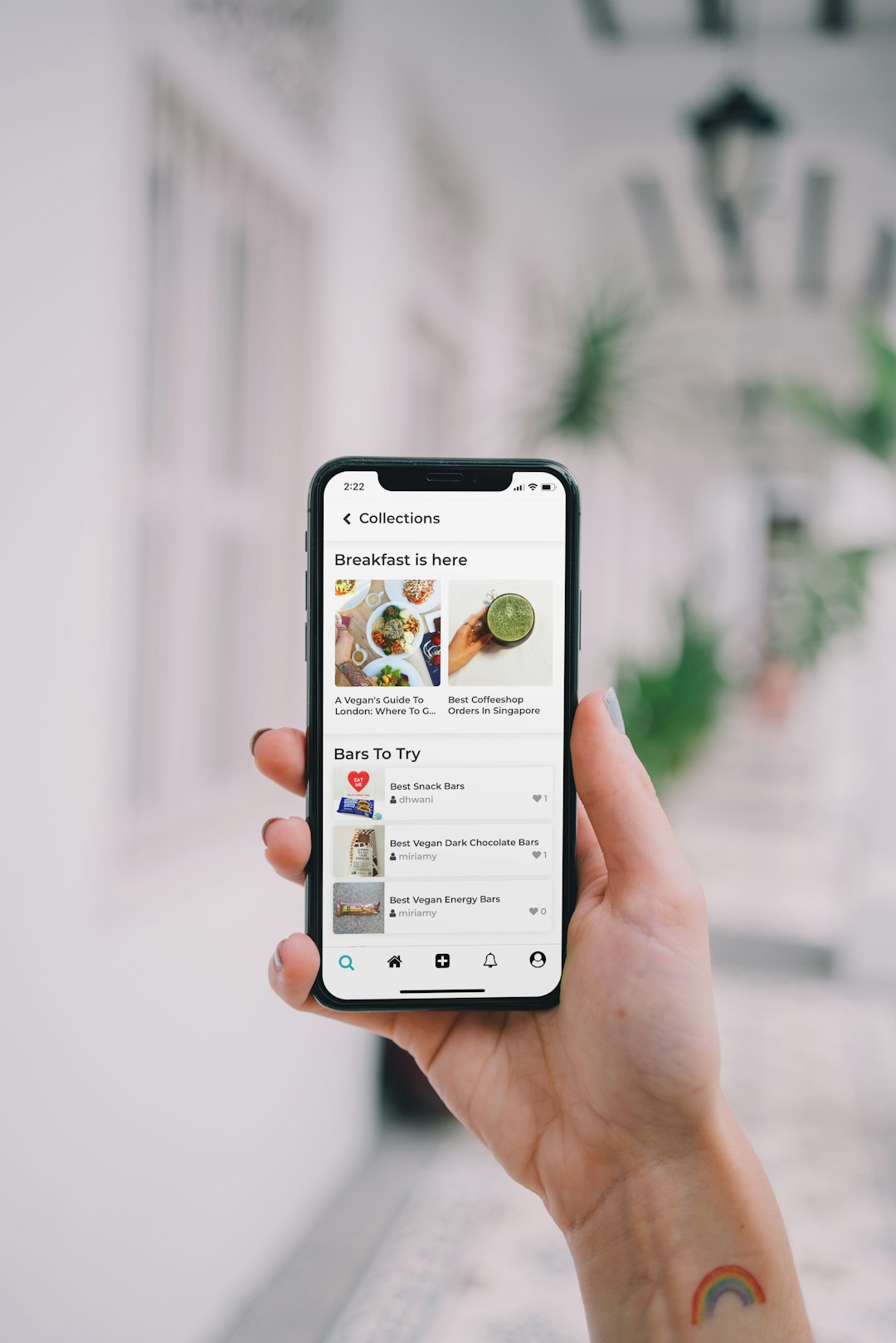
Installing and customizing your selected robocall blocker app is a crucial step to reclaiming control over your Connecticut phone lines. Start by downloading an app from reputable sources like the Apple App Store or Google Play. Once installed, take time to explore the app's interface, understanding its various features and settings. A robust robocall blocker app should offer options for number blocks, call filtering, and customizable alerts. For instance, you can create whitelists to permit calls from trusted contacts while blocking unknown numbers.
During setup, consider registering your number with a robocall attorney in Connecticut. This step enhances legal protection against spam calls, as these attorneys specialize in enforcing telephone consumer protection laws. They can help block illegal robocalls and pursue legal action when necessary. Remember to regularly update app settings based on evolving spam call trends and your personal preferences.
Customize the app's behavior to suit your needs. For example, enable automatic call blocking for identified spam while setting up specific do-not-disturb periods during work or quiet time. Review app reports to stay informed about blocked calls, helping you identify recurring spammers. Regularly check in with a robocall attorney in Connecticut to ensure your settings align with the latest legal protections and best practices for mitigating unwanted calls.