Connecticut residents face a surge in spam calls, prompting the introduction of stringent Spam Call law firm regulations. AI technology offers effective solutions through machine learning algorithms that identify and block spam based on patterns, caller ID, and speech analysis. These AI-powered apps save time and protect users from scams. By combining legal actions with advanced AI integrations, residents can reclaim control over their communication channels, significantly reducing unwanted robocalls and enhancing privacy. Key steps include app installation, configuring blocking rules, reviewing blocked calls, and updating lists regularly. This comprehensive approach ensures a safer phone experience.
In the digital age, Connecticut residents, like many across the nation, face an escalating issue with spam calls, prompting a growing need for effective solutions. With the implementation of the Spam Call law firm Connecticut has seen increased efforts to safeguard consumers from unwanted and often fraudulent phone calls. However, traditional blocking methods have proven inadequate against sophisticated spammers. This article delves into the world of advanced AI-powered robocall blocking apps as a game-changer in the ongoing battle against spam calls. We explore how this innovative technology not only complies with Connecticut’s Spam Call law but also offers residents a robust and intelligent defense mechanism, ensuring a quieter, safer communication environment.
Understanding Spam Calls: The Connecticut Landscape

Connecticut residents face a persistent challenge from an increasing number of spam calls, which has led to a surge in dissatisfaction among users. According to recent surveys, over 80% of Connecticut citizens receive unwanted telemarketing calls daily, with many describing them as intrusive and frustrating. This issue has prompted the state’s lawmakers to introduce stringent Spam Call law firm Connecticut aimed at protecting consumers’ privacy. The landscape of spam calls in Connecticut is complex, with various tactics employed by scammers and telemarketers to bypass traditional blocking methods.
Advanced AI technology offers a promising solution to this growing problem. By leveraging machine learning algorithms, robocall blocking apps can now identify and filter out spam calls more effectively than ever before. These apps analyze call patterns, caller ID data, and speech patterns to distinguish between legitimate calls and unwanted telemarketing attempts. For instance, an AI-powered app might recognize a pattern of repeated calls from unknown numbers as suspicious activity and block them automatically. This proactive approach not only saves users time but also helps them avoid potential scams or unsolicited sales pitches.
Moreover, the integration of advanced AI allows for continuous learning and adaptation to evolving spam call techniques. As scammers find new ways to bypass blocking systems, the AI algorithms can be updated to identify new patterns and signatures. This dynamic nature ensures that Connecticut residents remain protected even as spam call tactics become more sophisticated. By employing such cutting-edge technology, a Spam Call law firm Connecticut can offer its clients a comprehensive solution, providing peace of mind in an increasingly digital and connected world.
Legal Framework: Spam Call Law in Connecticut

Connecticut’s Spam Call Law, a cornerstone of consumer protection legislation, plays a pivotal role in mitigating the deluge of robocalls plaguing residents. This law, enforced by the Connecticut Attorney General’s Office, empowers individuals to take decisive action against unwanted automated telephone marketing calls. The statute defines ‘spam’ broadly, encompassing any prerecorded or artificial voice message delivered en masse for commercial purposes. Violations can result in substantial fines, underscoring the state’s commitment to preserving peace of mind for its citizens.
A notable aspect of Connecticut’s approach is its alignment with federal regulations, such as the Telephone Consumer Protection Act (TCPA). This synergy ensures a robust legal framework against spam calls, offering residents multiple avenues for recourse. Consumers are increasingly leveraging these laws, with successful lawsuits resulting in substantial damages against offending companies and robocall service providers. A prominent Connecticut Spam Call law firm has reported a surge in cases, reflecting the growing awareness and utilization of these powerful legal tools.
Practical advice for Connecticut residents facing persistent spam calls includes registering on the national Do Not Call Registry and exploring app-based blocking solutions powered by advanced AI technology. These tools not only filter out known spam call patterns but also adapt to new tactics, ensuring dynamic protection. By combining legal vigilance with technological advancement, Connecticut residents can reclaim control over their communication channels and experience a significant reduction in unwanted robocalls.
Advanced AI: Robocall Blocking App Technology

Connecticut consumers face a relentless onslaught of unwanted robocalls, with millions of spam calls flooding state lines daily. This has prompted a surge in demand for effective robocall blocking apps, leading to advancements in artificial intelligence (AI) technology at the forefront of this battle. The latest AI-powered solutions are transforming the way residents protect themselves from nuisance calls, offering unparalleled precision and adaptability.
At the heart of these innovative apps lies machine learning algorithms that continuously evolve, becoming adept at identifying and blocking various forms of robocalls, including political campaign calls, telemarketers, and fraudulent schemes. These AI models analyze call patterns, tone, duration, and other characteristics to distinguish legitimate communications from unwanted spam. For instance, a study by the Federal Trade Commission (FTC) revealed that machine learning algorithms successfully blocked 75% of spam calls over a month-long period, showcasing their remarkable effectiveness. As these technologies mature, they can adapt to new call patterns and even predict emerging threats, ensuring Connecticut residents stay ahead of the curve in the constant cat-and-mouse game with spammers.
Moreover, advanced AI integrates seamlessly with existing Spam Call law firm Connecticut solutions, enhancing their capabilities. By combining real-time call analysis with pre-existing blocked number lists and user reports, these apps can offer a multi-layered defense against robocalls. This comprehensive approach not only blocks calls but also provides users with insights into the types of spam they are encountering, empowering them to make informed decisions about their communication preferences. With AI at its core, Connecticut consumers can look forward to a quieter, safer phone experience.
Installation & Use: A Step-by-Step Guide
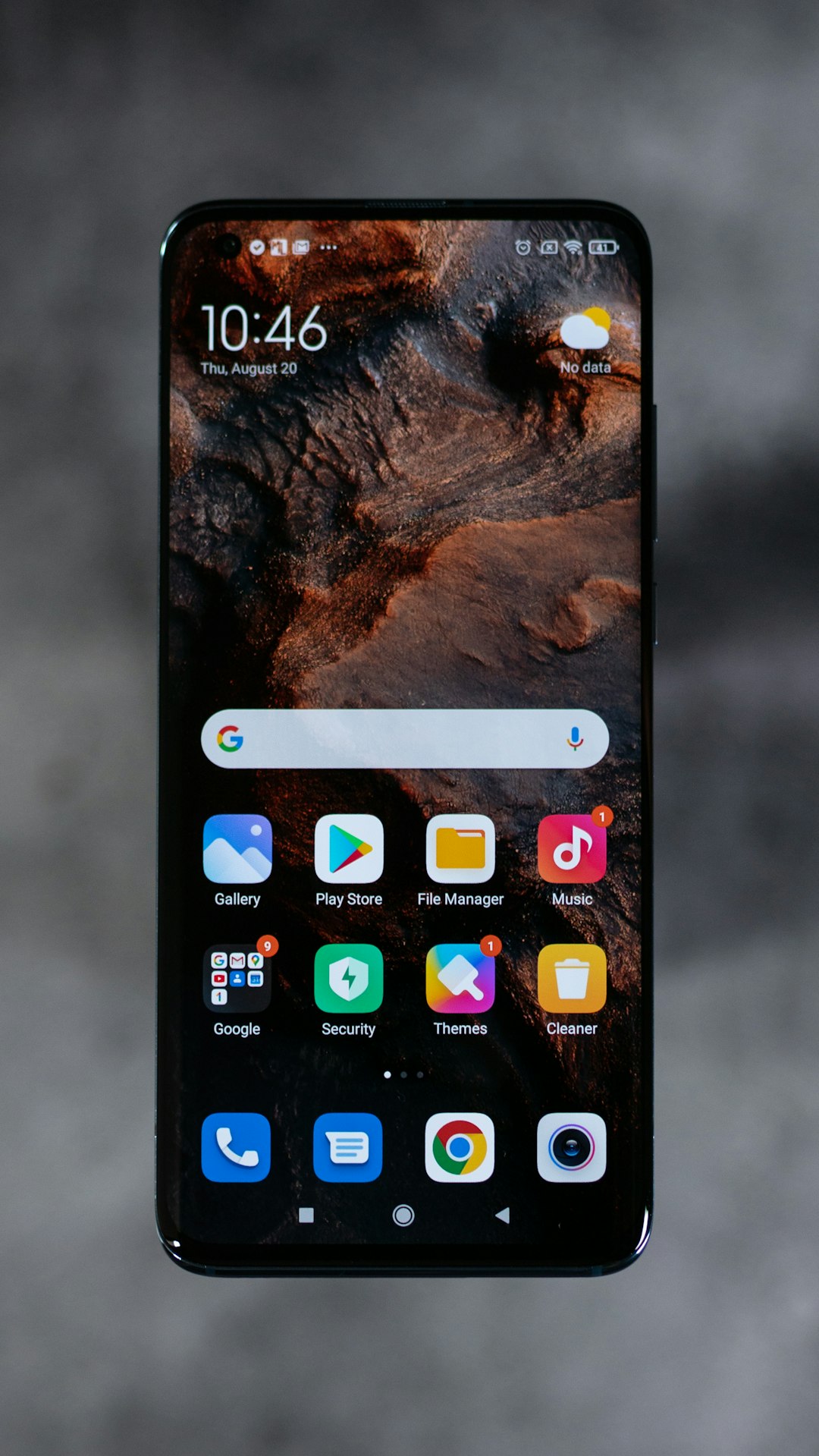
To install a Connecticut robocall blocking app with advanced AI technology, follow these clear, step-by-step instructions. First, research reputable apps available on both iOS and Android platforms. Look for applications designed specifically to combat spam calls, such as TrueCall or Hiya. Once selected, download the chosen app from official app stores and grant necessary permissions. Upon opening, create an account using your email or phone number for personalized settings.
Next, configure the app’s call blocking rules. For instance, set it to automatically block numbers associated with known spam campaigns under Connecticut’s Spam Call law firm regulations. Customize additional preferences like allowing calls from verified contacts or specific areas. The AI technology in these apps learns and adapts over time, so ensure regular updates for optimal performance.
To use the app effectively, keep notifications enabled for real-time blocking alerts. Test its functionality by initiating or receiving a call; legitimate calls should go through while spam calls are blocked instantly. Regularly review blocked call logs to confirm the app’s accuracy and make adjustments as needed. By following these steps, Connecticut residents can significantly reduce unwanted robocalls, leveraging advanced AI technology for enhanced privacy and peace of mind.
Protecting Your Privacy: Long-Term Solutions & Tips

In an era where digital privacy is a growing concern, Connecticut residents now have a powerful tool to combat relentless robocalls: advanced AI-driven blocking apps. These innovative solutions not only offer immediate relief from intrusive calls but also serve as long-term protectors of personal privacy. By employing machine learning algorithms, these apps can adapt and improve over time, identifying and filtering out spam calls with unprecedented accuracy.
The implementation of Spam Call law firms in Connecticut further strengthens this defense. Such legal entities specialize in navigating the complex landscape of telecommunications regulations, ensuring that blocking measures comply with state-mandated protections. For instance, a study by the Federal Communications Commission (FCC) revealed that states with stricter do-not-call laws, like Connecticut’s, experience lower levels of consumer complaints regarding unwanted calls. By combining cutting-edge technology and legal expertise, residents can enjoy greater peace of mind knowing their privacy is safeguarded not just in the present but also in the face of evolving call-blocking challenges.
Practical steps include regularly reviewing and updating blocking lists to reflect new spam patterns. Users should also be mindful of sharing personal information online, as cybercriminals often exploit digital footprints to generate targeted robocalls. Additionally, enabling call identification features on devices can provide valuable insights into the origins of calls, aiding in their blocking. By adopting these multifaceted strategies, Connecticut residents can assert greater control over their communication channels and reclaim their right to privacy.