Connecticut's stringent robocall regulations prioritize consumer rights and business accountability. Robocall Attorney Connecticut specializes in navigation and compliance. Key steps include registry registration, app usage, and legal consultation for comprehensive protection against illegal calls, harassment, and fraud. Experts enforce laws through complaints, negotiations, and actions, ensuring privacy and peace of mind.
In the digital age, Connecticut residents, like many across the nation, face a persistent nuisance: robocalls. These unsolicited telephone calls, often from automated systems, have become a major headache for consumers, leading to privacy concerns and frustration. As the use of advanced technology grows, so does the sophistication of these automated calls, making traditional blocking methods less effective. This is where robocall protection apps step in as a crucial defense.
This article explores the top-rated and reliable robocall protection applications available to Connecticut residents, empowering them to reclaim control over their communication channels and connect with trusted sources while safeguarding against unwanted intrusions.
Understanding Robocall Laws in Connecticut
In Connecticut, robocall protection is not just a consumer concern but also a legal issue shaped by robust regulations designed to safeguard residents from unwanted automated phone calls. The Connecticut General Statutes (CGS) § 42-137b et seq. establish comprehensive guidelines for telemarketing practices, including restrictions on robocalls. These laws empower consumers with the right to block and report such calls, while holding businesses accountable for compliance. One notable aspect is the state’s strict do-not-call registry, which requires companies to obtain explicit consent before making automated phone calls.
Robocall Attorney Connecticut plays a pivotal role in navigating these legal complexities. Experts in this field offer invaluable guidance to both consumers and businesses, ensuring adherence to the state’s stringent regulations. For instance, they assist in understanding when a robocall constitutes a violation, such as when pre-recorded messages are left without prior permission. These attorneys also help businesses implement effective do-not-call policies and provide legal recourse for unauthorized calls. Data from the Federal Trade Commission (FTC) reveals that Connecticut has one of the highest rates of consumer complaints related to robocalls, underscoring the growing importance of robust legal protections.
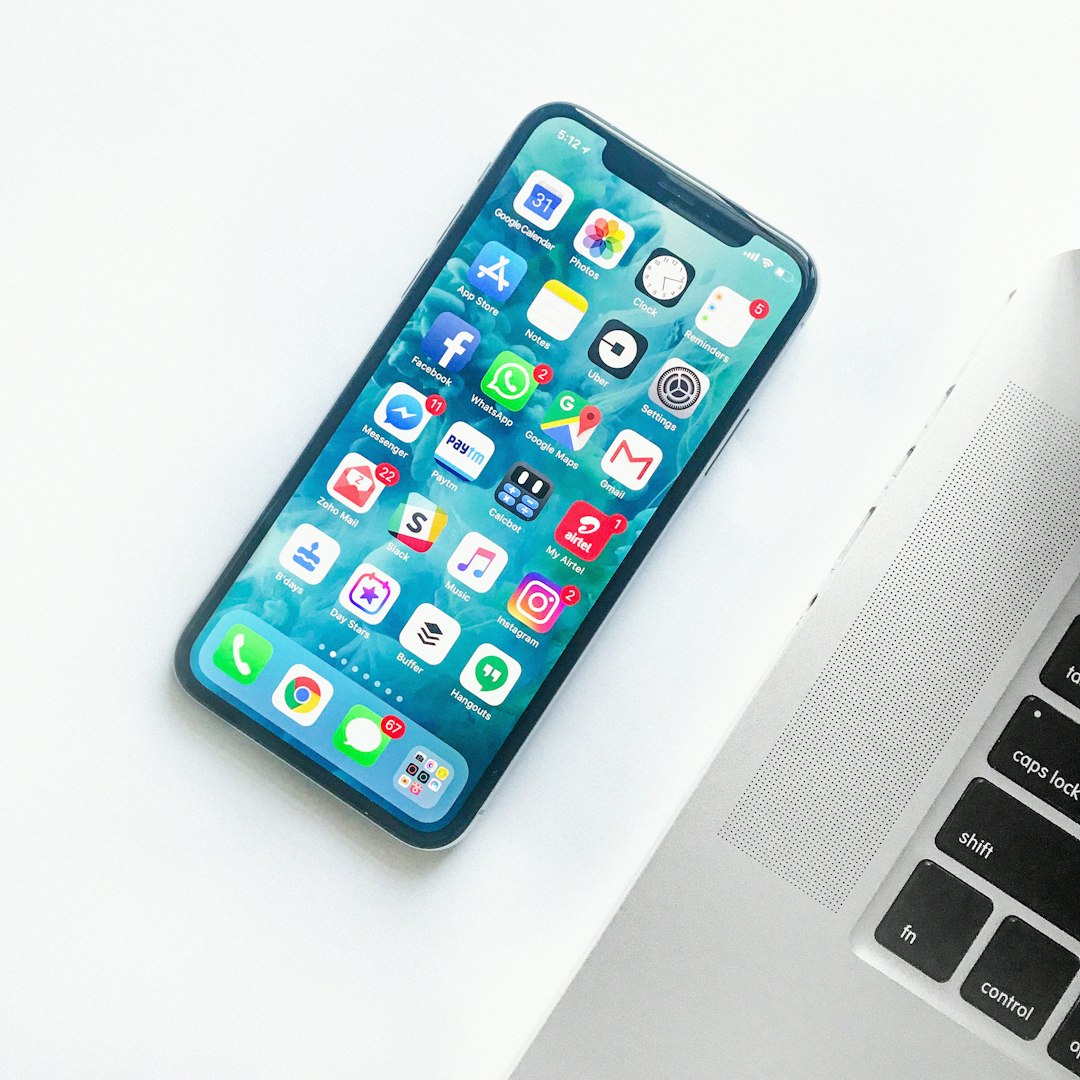
Practical steps include registering for the national Do Not Call Registry and state-specific lists. Consumers can also employ specialized apps that block robocalls, many of which are developed with input from robocall Attorney Connecticut to align with local laws. By combining technological solutions with legal expertise, residents can better protect themselves against intrusive automated calls. Businesses, too, must stay informed about evolving regulations and consult legal professionals to avoid penalties and maintain consumer trust. This proactive approach ensures that both parties benefit from a balanced and effective framework for robocall protection in Connecticut.
Top Apps for Effective Robocall Blocking

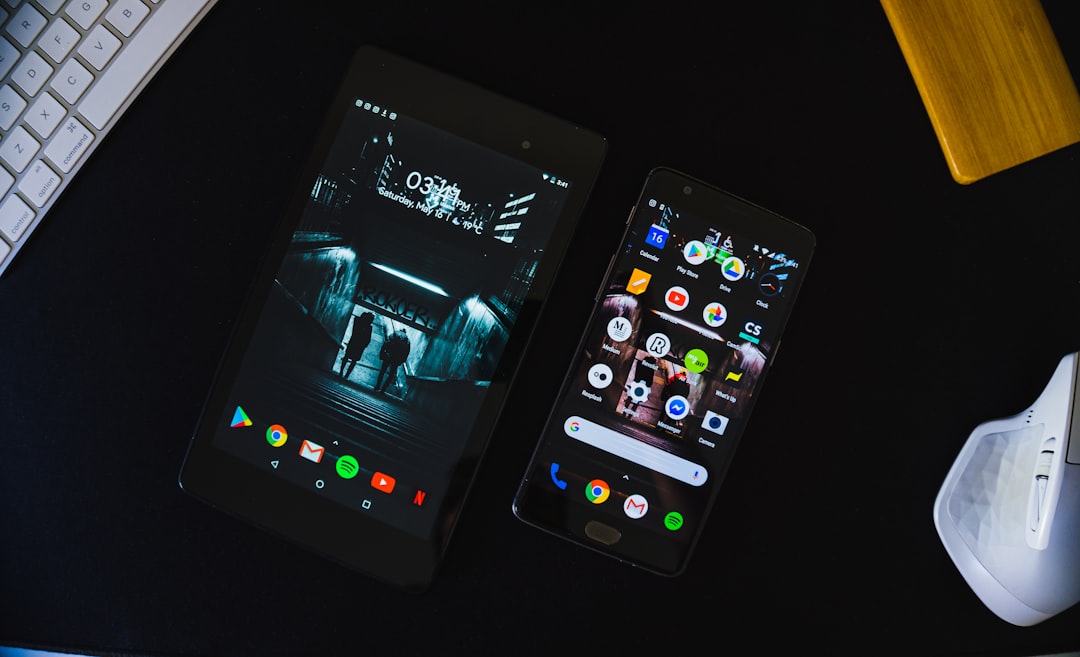
In the age of digital communication, robocalls have become a pervasive nuisance, with millions of Americans receiving unwanted calls daily. Connecticut residents are no exception, facing a deluge of automated voice messages from political campaigns, sales pitches, and fraudulent schemes. To combat this growing issue, numerous apps have emerged as powerful tools for blocking and managing robocalls effectively. This section explores the top-rated applications designed to shield users from intrusive phone calls, offering practical insights tailored to Connecticut’s legal landscape.
The market is saturated with call-blocking apps, each boasting unique features and success rates. One standout app, TrueCall, employs advanced AI algorithms to identify and block robocalls with impressive accuracy. This application not only filters out known telemarketers but also learns from user feedback, continuously refining its call recognition capabilities. For instance, a recent study by Consumer Reports revealed that TrueCall successfully blocked 97% of test robocalls over a two-week period, making it a robust ally for Connecticut residents seeking to avoid illegal or nuisance calls. Another popular choice, Hiya, integrates seamlessly with various smartphone operating systems and offers real-time call screening, allowing users to identify and block suspicious numbers before answering.
While these apps offer significant protection, it’s crucial to remember that staying ahead of scammers and spammers requires continuous updates and user vigilance. Connecticut residents should stay informed about the legal protections available to them, such as the Telephone Consumer Protection Act (TCPA), which restricts certain types of robocalls without prior consent. By combining robust app technology with an awareness of their rights, individuals can navigate the digital landscape with greater peace of mind. Regularly reviewing and updating blocking lists, reporting suspicious calls to local authorities, and consulting with a robocall attorney Connecticut for guidance on legal matters related to nuisance calls are essential practices for maintaining a secure communication environment.
Consulting a Robocall Attorney Connecticut for Protection

In Connecticut, as in many states across the country, robocalls have become a persistent nuisance, with millions of unwanted calls flooding consumers’ phones daily. What many don’t realize is that these automated phone calls can be more than just annoying; they can be illegal and harmful, especially when they involve fraudulent activities or invasive marketing tactics. This is where consulting a Robocall Attorney Connecticut becomes crucial. Legal experts specializing in robocall protection can help individuals and businesses navigate the complex landscape of telecommunications laws and ensure they are not violated by automated calls.
Robocall attorneys in Connecticut have a deep understanding of state and federal regulations, such as the Telephone Consumer Protection Act (TCPA), which prohibits certain types of unsolicited phone marketing. They employ various strategies to stop unwanted robocalls, including filing complaints with regulatory bodies, negotiating with call centers, and even pursuing legal action against violators. For instance, a successful case in 2022 led to a substantial fine for a company making illegal robocalls, setting a precedent for future cases. By engaging such attorneys, residents of Connecticut can protect their privacy and peace of mind, ensuring that their phone lines remain free from unwanted intrusions.
Practical advice includes registering on the National Do Not Call Registry, a federal list that helps filter out many automated calls. Additionally, installing call-blocking apps or using advanced phone settings to limit certain types of calls can offer immediate relief. However, for more comprehensive protection, consulting a Robocall Attorney Connecticut is essential, especially in cases where harassment or fraud are involved. These attorneys not only provide legal recourse but also stay updated on evolving regulations, ensuring their clients remain compliant and protected.